World Cup 2026 Is a Traffic Surge - Not Automatic Revenue
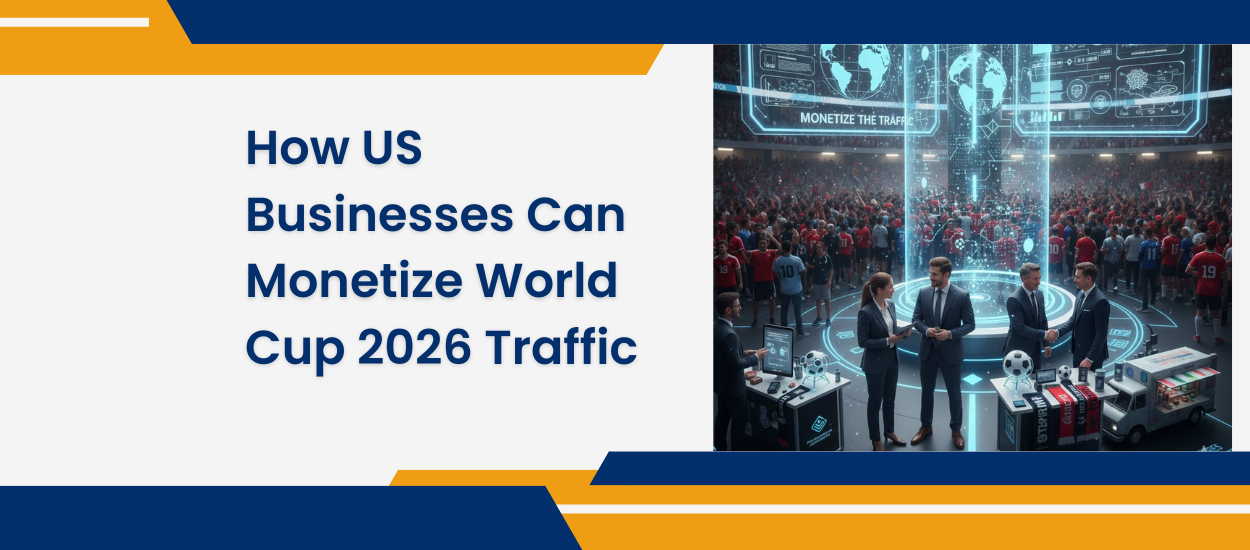
The FIFA World Cup 2026 will be one of the largest global events the United States has ever hosted. With millions of fans traveling, streaming, searching, booking, and buying in real time, US businesses can expect a massive spike in digital and inbound traffic.
But here’s the hard truth: traffic alone doesn’t generate revenue.
World Cup traffic is fast, emotional, and high-intent. Customers won’t wait. They won’t retry. And they won’t forgive slow responses, missed calls, or broken customer journeys. Businesses that fail to respond instantly will watch opportunities disappear - often straight into a competitor’s funnel.
To monetize World Cup 2026 traffic, US businesses must move beyond visibility and focus on speed, engagement, and execution.
This blog breaks down proven event-driven revenue strategies - from faster response times to proactive outreach and seamless workflows—and shows how AI-powered customer engagement helps convert attention into revenue.
Before diving into strategies, it’s critical to understand why World Cup traffic behaves so differently from everyday demand.
Why World Cup 2026 Traffic Is Different From Everyday Demand
World Cup traffic behaves nothing like normal business traffic.
During global events:
-
Search intent is urgent and time-sensitive
-
Inquiries spike outside standard business hours
-
Customers expect instant answers across voice, chat, and digital channels
-
Decision windows shrink from days to minutes
Whether you’re in hospitality, travel, retail, SaaS, media, or B2B services, World Cup traffic represents high intent with zero patience. Businesses that rely on manual call handling, delayed responses, or fragmented systems struggle to convert traffic into sales when it matters most.
This is why traditional marketing tactics alone fail during major events. Operational readiness becomes the true revenue differentiator.
And when operations aren’t built for this kind of demand, a critical monetization gap appears.
The Monetization Gap: Where Most Businesses Lose World Cup Revenue
Many US businesses invest heavily in campaigns, ads, and visibility leading up to major events - but still fail to monetize traffic effectively.
Common breakdowns include:
-
Missed calls during peak demand
-
Long wait times on chat or support lines
-
Sales teams are overwhelmed with unqualified inquiries
-
Disconnected systems across marketing, sales, and support
-
No real-time visibility into buyer intent
These gaps create friction at the exact moment customers are ready to act. In an event-driven environment, friction can kill conversions.
To close this gap, businesses must rethink traffic monetization strategies from an operational lens - not just a marketing one.
That shift starts with the single most important conversion factor: speed.
Strategy 1: Faster Response Times Convert Attention Into Sales
Speed is the most powerful conversion lever during the World Cup.
Studies consistently show that responding to leads within minutes dramatically increases conversion rates. During a global event, that window shrinks even further. Customers expect instant engagement - whether they’re calling, chatting, or submitting inquiries.
This is where an AI contact center for sales becomes essential.
AI-powered voice assistants and chatbots can:
-
Answer inbound calls instantly, 24/7
-
Handle high call volumes without hold times
-
Respond to chats and FAQs in real time
-
Capture intent and route sales-ready leads immediately
Solutions like GALE, a generative AI voice assistant and chatbot, enable businesses to stay responsive even when traffic surges unexpectedly - ensuring no opportunity is lost due to delays or limited staffing.
But speed alone isn’t enough. Businesses that only react still leave revenue on the table.
Strategy 2: Proactive Outreach Beats Reactive Support
During the World Cup, waiting for customers to come back is a losing strategy.
High-intent traffic generates signals - missed calls, abandoned chats, partial forms, repeat visits. Businesses that act on these signals proactively win more deals.
Proactive monetization includes:
-
Automated callbacks after missed or dropped calls
-
Follow-ups triggered by abandoned chats or forms
-
AI-led qualification before handing leads to sales teams
-
Context-aware outreach that continues the conversation
Instead of treating inquiries as support tickets, leading businesses use event-driven revenue strategies to turn every interaction into a guided buying experience.
AI-driven engagement ensures follow-ups happen while intent is still hot.
However, proactive engagement only works if the customer experience remains seamless across channels.
Strategy 3: Seamless Customer Journeys Across Voice, Chat, and Sales
World Cup customers don’t stick to one channel.
They might:
-
Call first
-
Switch to chat
-
Browse your site
-
Return hours later, expecting continuity
When context is lost between channels, conversion drops.
A seamless customer journey ensures:
-
Conversations don’t restart from zero
-
Intent is preserved across touchpoints
-
Sales teams receive qualified, context-rich leads
-
Customers feel guided, not bounced around
With AI-driven customer engagement, businesses can maintain continuity across voice and chat, ensuring a smoother path from first interaction to purchase. GALE customer engagement supports this by capturing context, intent, and next steps automatically.
Behind every seamless experience, however, sits something just as important: internal execution.
Strategy 4: Intelligent Workflows Turn Event Chaos Into Control
Traffic spikes don’t just affect customer-facing teams - they stress internal operations too.
Sales, marketing, operations, and support must move in sync during high-demand events. Without structured workflows, even qualified leads fall through the cracks.
This is where intelligent work management becomes critical.
Using platforms like monday (a Tollanis Solutions Bronze Partner), businesses can:
-
Centralize lead management
-
Track follow-ups in real time
-
Align marketing, sales, and support teams
-
Maintain visibility during high-pressure periods
Well-designed workflows ensure that once traffic is captured, execution keeps pace with demand.
When AI-driven engagement and intelligent workflows come together, businesses unlock true scalability.
How AI Contact Centers Enable Scalable Revenue During World Cup 2026
An AI contact center is no longer a cost-saving tool - it’s a revenue engine.
During World Cup 2026, AI contact centers help businesses:
-
Scale instantly without adding headcount
-
Prioritize high-value inquiries
-
Automate qualification and routing
-
Maintain service quality during traffic surges
By combining AI-driven engagement with intelligent workflows, businesses can convert traffic into sales consistently—even during unpredictable demand spikes.
This approach isn’t theoretical. It’s already delivering results across industries.
Real-World Monetization Use Cases During Global Events
Across industries, the impact is clear:
-
Hospitality & Travel: AI voice and chat solutions handle booking inquiries 24/7 during peak travel periods
-
Retail & DTC: Chatbots answer product questions instantly, reducing drop-offs
-
SaaS & B2B Services: AI qualifies demo requests and routes only sales-ready leads
-
Events & Entertainment: No missed calls during match days, even at peak volume
These aren’t future scenarios - they’re proven models for event-driven monetization.
The key is preparing before the surge hits - not scrambling after.
Getting Ready Before the First Kickoff
To successfully monetize World Cup 2026 traffic, businesses should prepare early:
-
Audit response times across voice and chat
-
Stress-test contact center capacity
-
Automate lead qualification and routing
-
Align teams through centralized workflows
-
Train AI systems before traffic spikes
Preparation - not reaction - determines revenue outcomes.
And that preparation leads to a simple but powerful conclusion.
Conclusion: Monetize World Cup 2026 Traffic or Miss the Moment
World Cup 2026 will deliver attention on a scale few events ever will, but attention is temporary. Revenue belongs to the businesses that act fastest.
US businesses that invest in speed, AI-powered customer engagement, and intelligent workflows will convert surging demand into real, measurable growth. Those that rely on manual processes, delayed responses, or disconnected systems won’t lose traffic - they’ll lose revenue.
Monetizing World Cup 2026 isn’t about doing more marketing. It’s about being operationally ready - responding instantly, engaging intelligently, and executing seamlessly across every customer touchpoint.
That’s where solutions like Tollanis Solutions’ AI-driven customer engagement and workflow automation help businesses stay ahead - ensuring no call is missed, no lead goes cold, and no opportunity slips through during peak moments.
The World Cup moment will be brief. The revenue impact doesn’t have to be.
Get ready now to turn World Cup 2026 traffic into lasting business growth.